Biography
Origins
Jean Chauvin was born on 30 March 1889 in Rochefort-sur-Mer. His twin brother, André-Joseph, died in the first week of life. His other siblings died in childhood; Chauvin was the only survivor of a large family. The themes of birth and twinship would run through his entire body of work.
In 1906, at the age of seventeen, he sculpted his first work, a piece of birch wood that he later said he had hidden under a pile of coal, his father being firmly opposed to his artistic vocation.
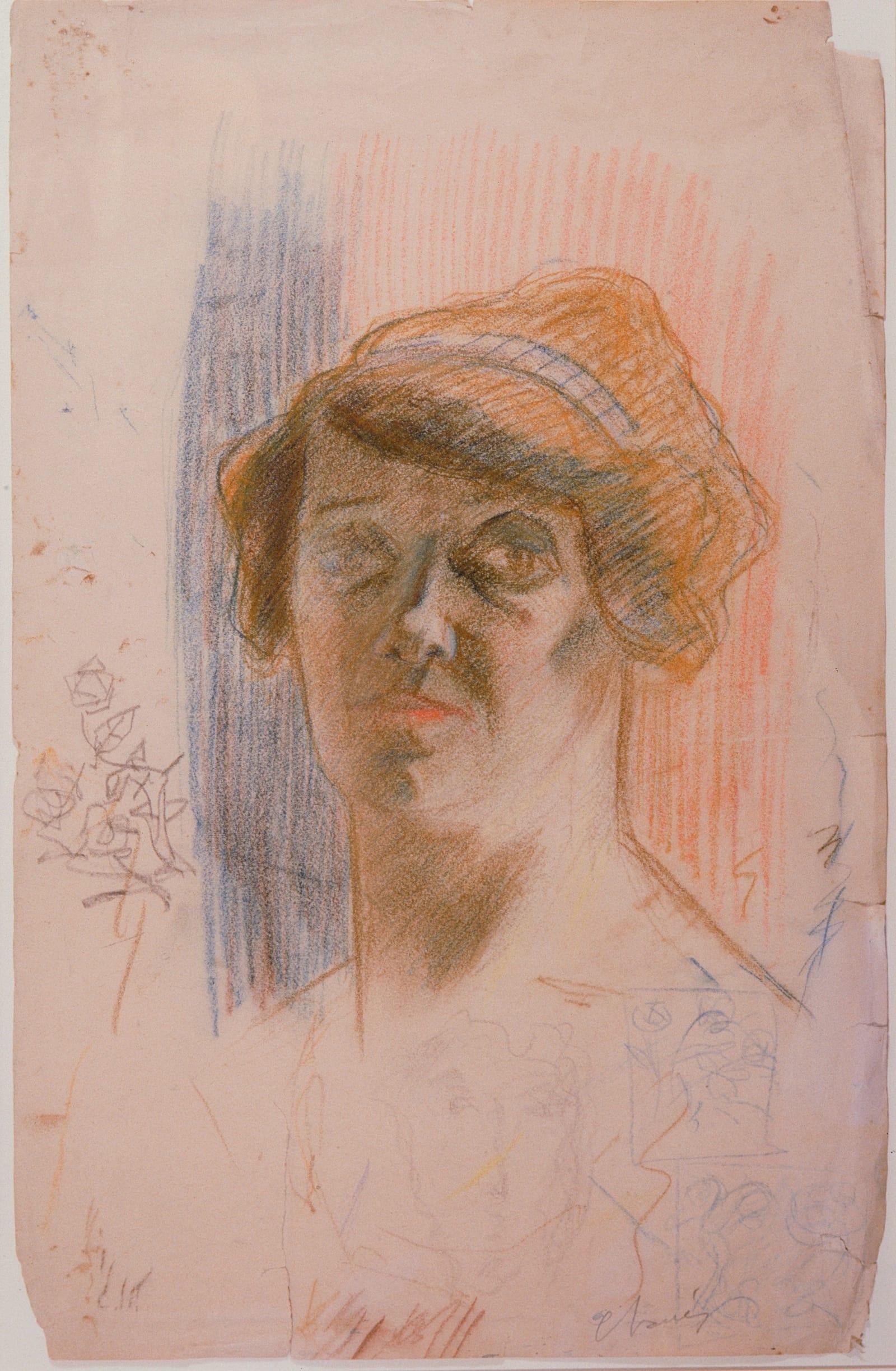
Portrait of his mother, coloured pencil on paper, c. 1905
Training and early Salons
After his father's death, Chauvin moved to Paris in 1908 and entered the École des Arts Décoratifs on 14 March, then the studio of the sculptor Antonin Mercié at the École des Beaux-Arts on 7 January 1909. He remained there until 1915, having been exempted from military service on 9 December 1914.
That same year, he produced La Toilette in Japanese ebony, considered one of the earliest French abstract sculptures.
At the École des Beaux-Arts, he met the sculptor François Pompon, who became a close friend. Between 1913 and 1920, he exhibited at the Salon d'Automne and the Salon des Indépendants while working in the studio of Joseph Bernard, where he took part in the carving of the Frise de la Danse now held at the Musée d'Orsay. An elected member of the Salon d'Automne, he committed definitively to abstract sculpture.
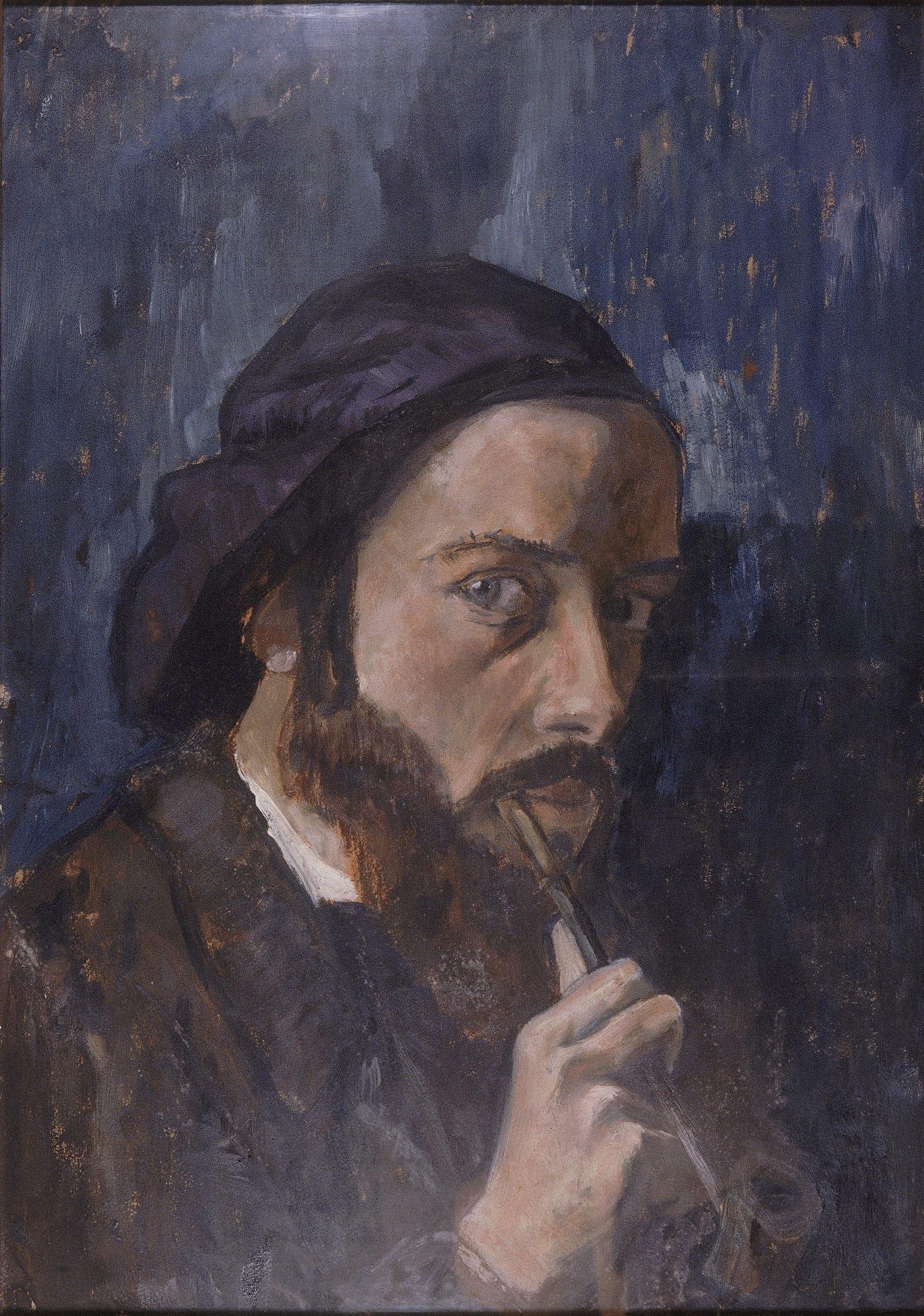
Self-portrait, oil on cardboard, 1908
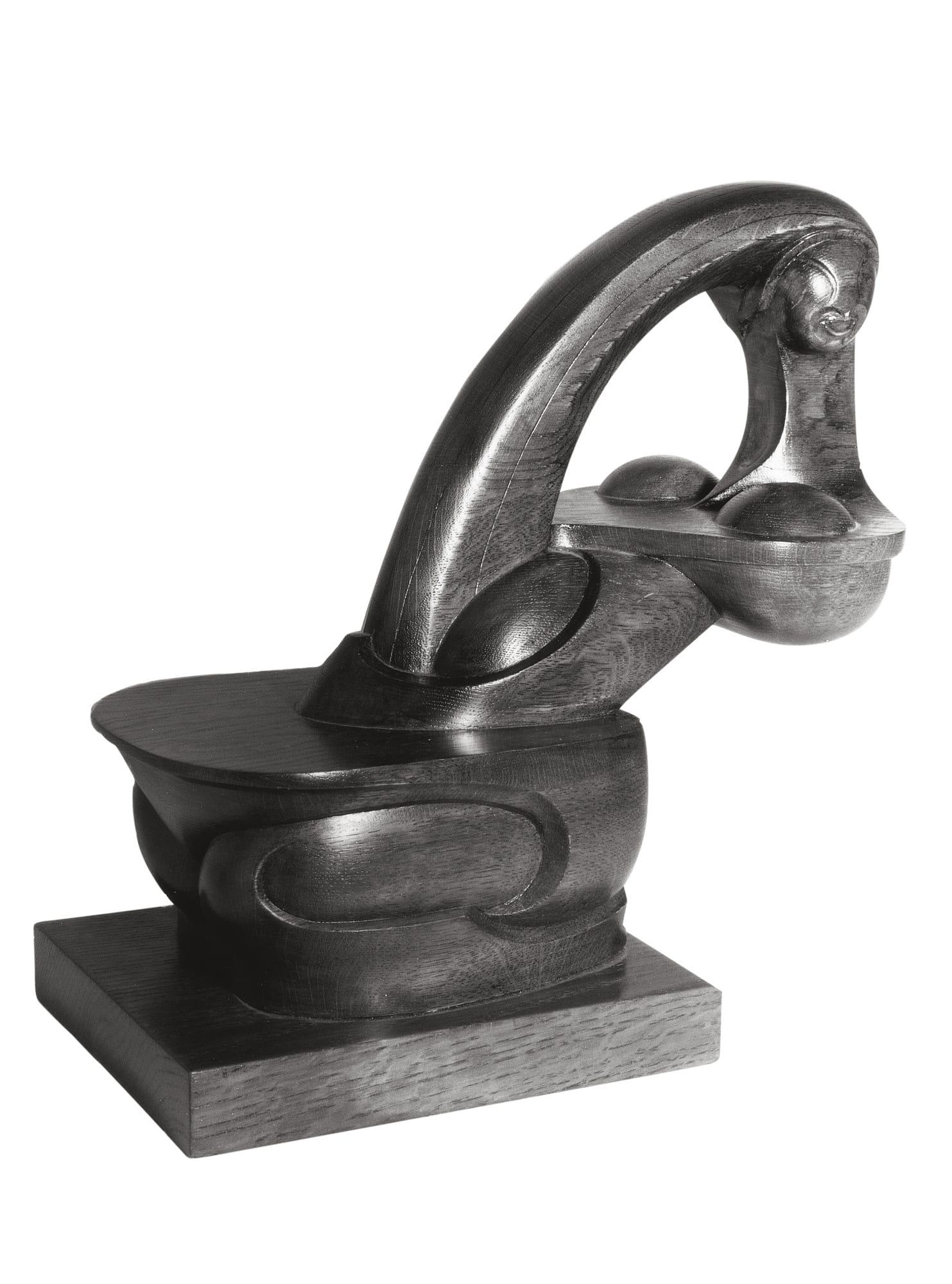
La Toilette, 1909, Japanese ebony
First exhibitions and recognition
In 1928, Chauvin held his first solo exhibition at the gallery Au Sacre du Printemps, with a preface by Robert Rey. The same year, the couturier and collector Jacques Doucet acquired one of his sculptures, a direct carving in blackened wood, for his studio in Neuilly, where it stood alongside works by Picasso, Braque, Modigliani, de Chirico and Csaky, beneath Henri Rousseau's La Charmeuse de serpents and amid furniture by Marcel Coard, Pierre Legrain and Eileen Gray.
One of his earliest bronzes was acquired by Le Corbusier.
Taken over by Jeanne Bucher under her own name from 1936, the gallery Au Sacre du Printemps continued to champion his work until her death in 1947. During these years, Chauvin became close to Robert Rey, who would become director of the Arts Plastiques in 1944, and to Jean Cassou, founder of the musée national d'Art moderne.
In the 1930s, he settled at 9 rue du Chalet in Malakoff and became the owner of a house at Port-des-Barques.
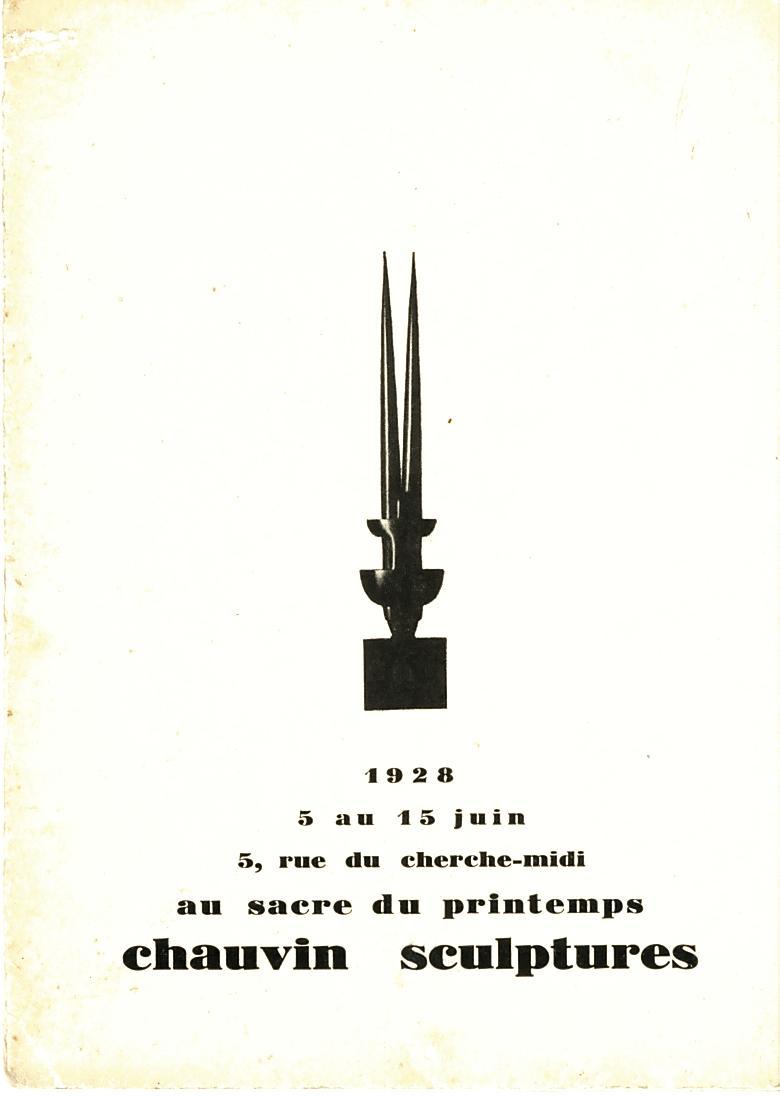
Booklet from Jean Chauvin's first solo exhibition, Galerie Au Sacre du Printemps, 5 rue du Cherche-Midi, Paris. 5–15 June 1928. Text by Robert Rey. Archives Jean Chauvin.
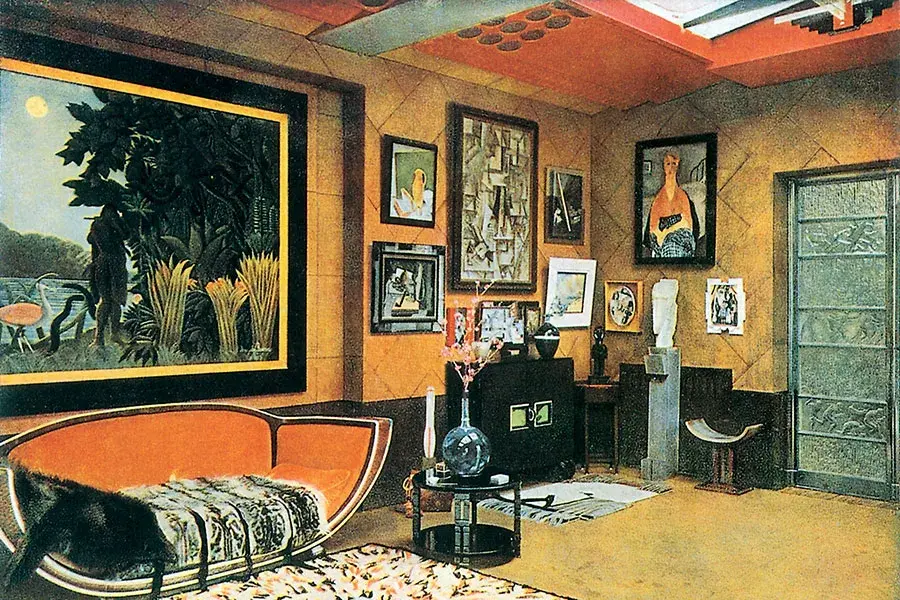
The Studio Saint-James in Neuilly-sur-Seine, the private gallery of couturier Jacques Doucet (1853–1929).
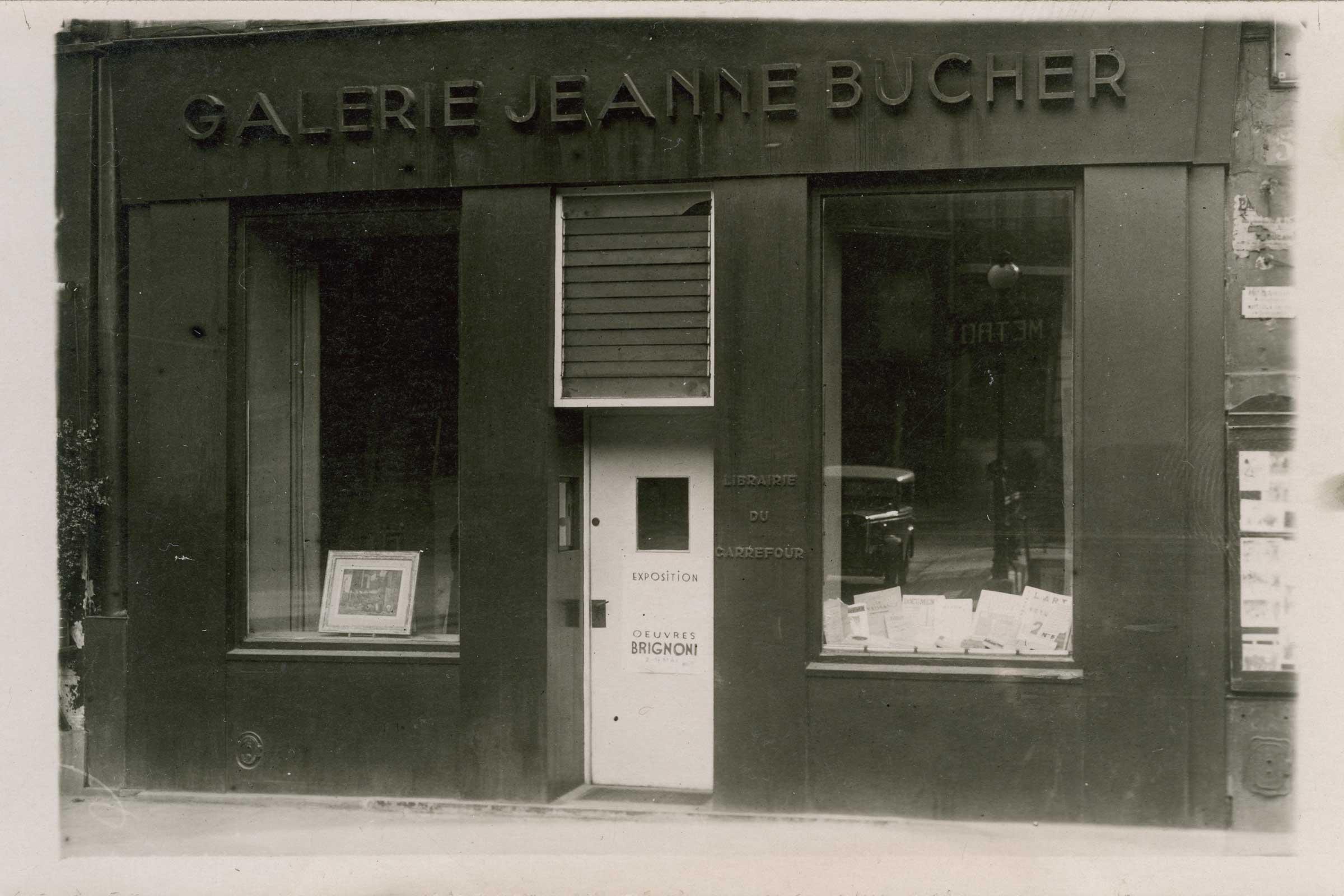
Galerie Jeanne Bucher, rue du Cherche-Midi, Paris, 1929
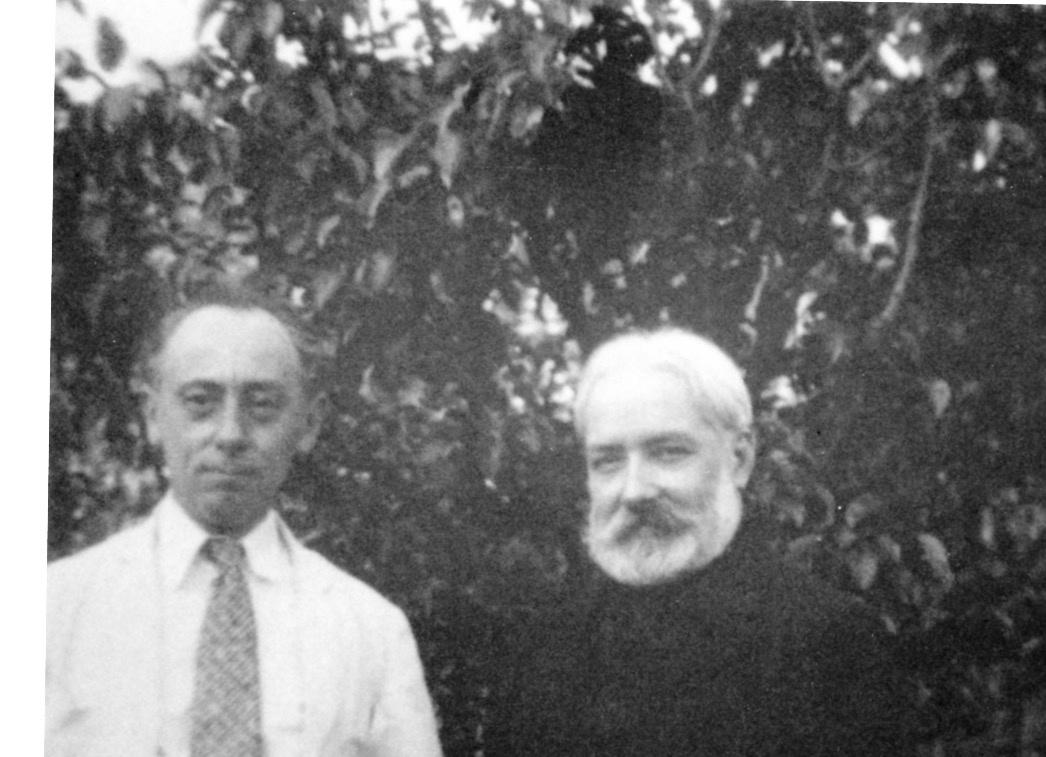
With his friend Bernaux at Port-des-Barques, 1930s
Major commissions
In 1935, at the request of the architect Pierre Patout, Chauvin created a large sculpture, Fontaine Lumineuse, for the ocean liner Normandie.
In 1937, again at Patout's request, he produced a monumental eleven-metre concrete sculpture, Sculpture-Signal, for the pavilion of the Société des Artistes Décorateurs at the Exposition Internationale des Arts et Techniques in Paris, as well as two large porcelain vasques for the pavilion of the Manufacture de Sèvres.
In 1939, the French State acquired Tombeau d'Ève, his first work to enter a public collection. The same year, he exhibited at Galerie Charpentier in the exhibition that prefigured the Salon des Réalités Nouvelles, where he presented his sculpture Guerre.
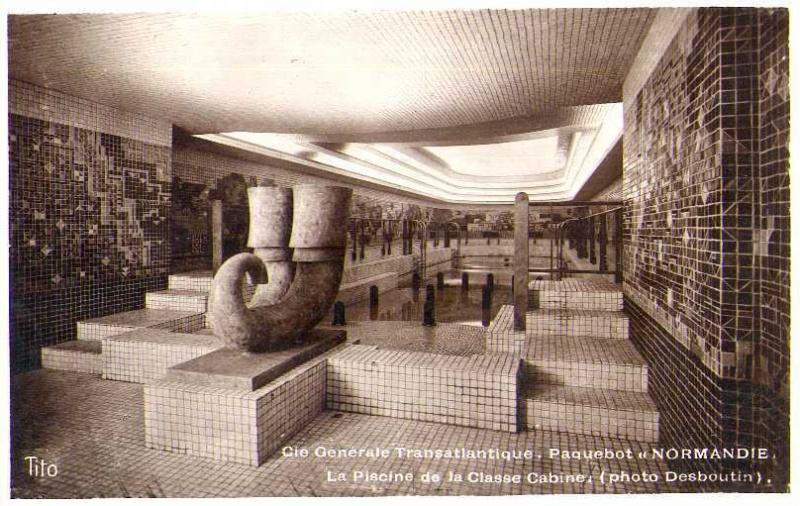
Fontaine Lumineuse, SS Normandie, 1935

Sculpture-Signal, concrete, H: 11 m, Exposition Internationale, 1937
International recognition
On 24 March 1949, the Galerie Maeght devoted an exhibition to Chauvin of forty-one sculptures accompanied by drawings, with prefaces by Robert Rey, Stanislas Fumet and Georges Hugnet, published in Derrière le Miroir no. 18. The same year, Christian Zervos published a text on his sculpture in Cahiers d'Art.
From 1947 to 1955, under the auspices of Cécile Goldscheider, curator at the Musée Rodin, his work was shown in Berne, Prague, Amsterdam, Stockholm and Düsseldorf.
In 1954, his work was exhibited alongside that of Brancusi, Arp, Pevsner, Gonzalez and Laurens at the Kunsthaus Zürich (Begründer der modernen Plastik) and at Yverdon (Sept pionniers de la sculpture moderne), with a preface by Michel Seuphor.
During these years, Chauvin divided his time between Malakoff, where he drew during the winter months, and Port-des-Barques, where he carved during the summer. He photographed each of his works himself, against uniform black or white grounds.
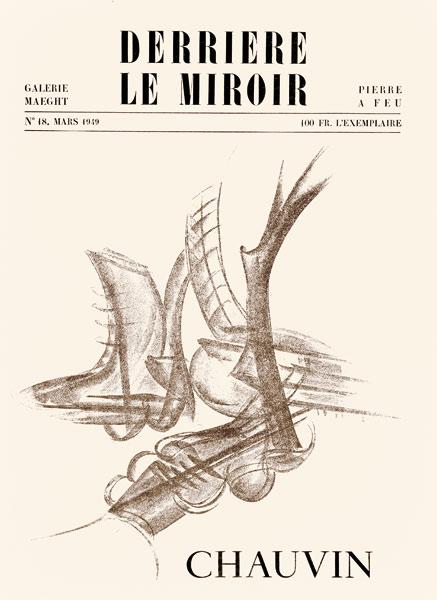
Derrière le Miroir no. 18, Galerie Maeght, March 1949
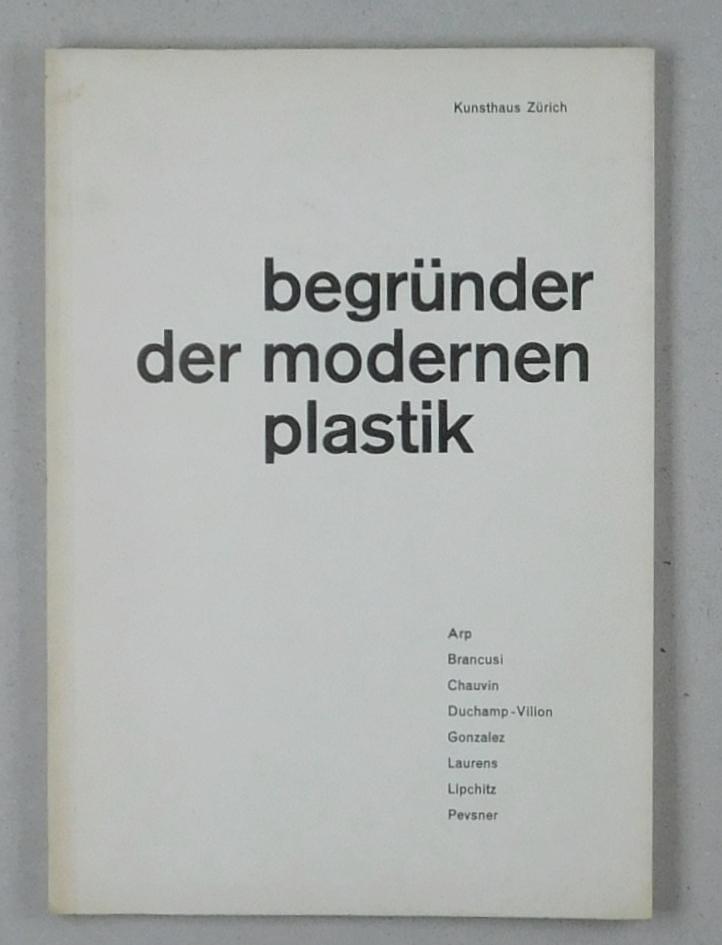
Begründer der Modernen Plastik, Kunsthaus Zürich, 1954
Recognition and legacy
From the late 1950s, Chauvin was supported by the dealer Alex Maguy, who acquired a significant number of his sculptures and devoted a major exhibition to him at the Galerie de l'Élysée in 1960. Christian Zervos published a monograph on his work the same year, with Cahiers d'Art.
In 1962, Chauvin represented France at the 31st Venice Biennale alongside the painters Alfred Manessier and Serge Poliakoff, in an ensemble of thirty-four sculptures assembled by Jacques Lassaigne.
He died on 15 May 1976 at the Château de Chaillé in Saint-Martin-lès-Melle, after donating 162 maquettes to the musée national d'Art moderne.
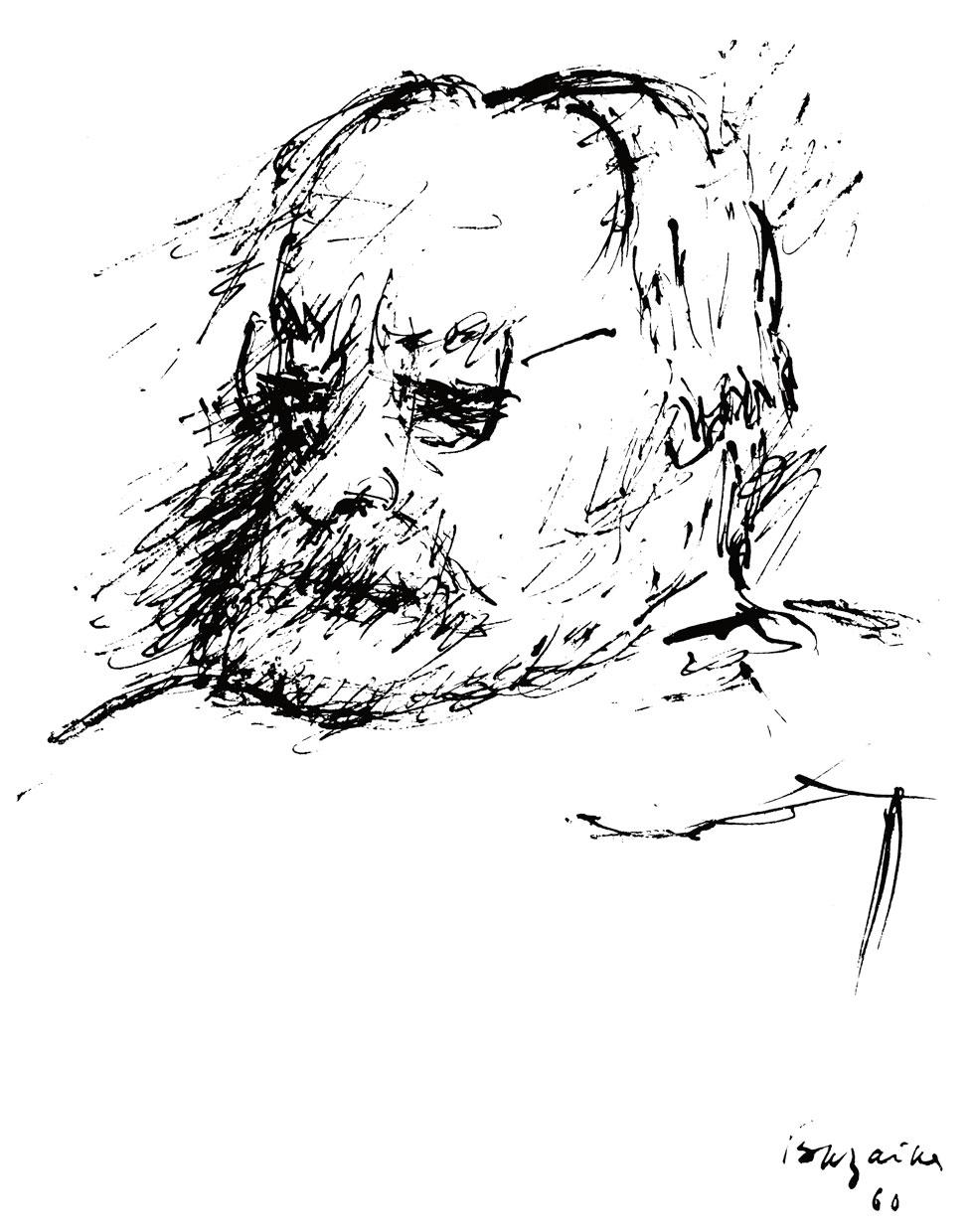
Portrait of Jean Chauvin by Jean Bazaine, 1960
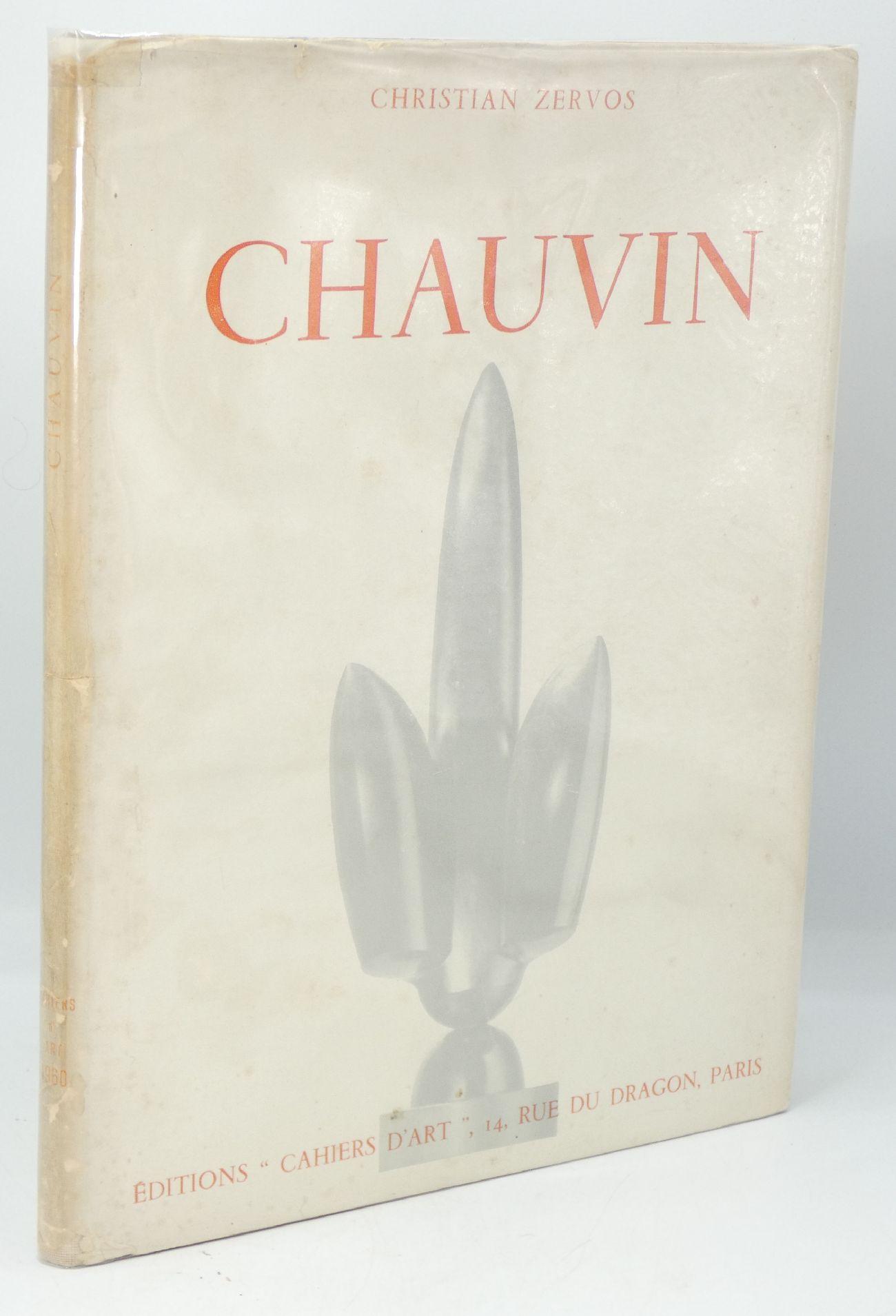
Chauvin, Christian Zervos, Éditions Cahiers d'Art, 1960
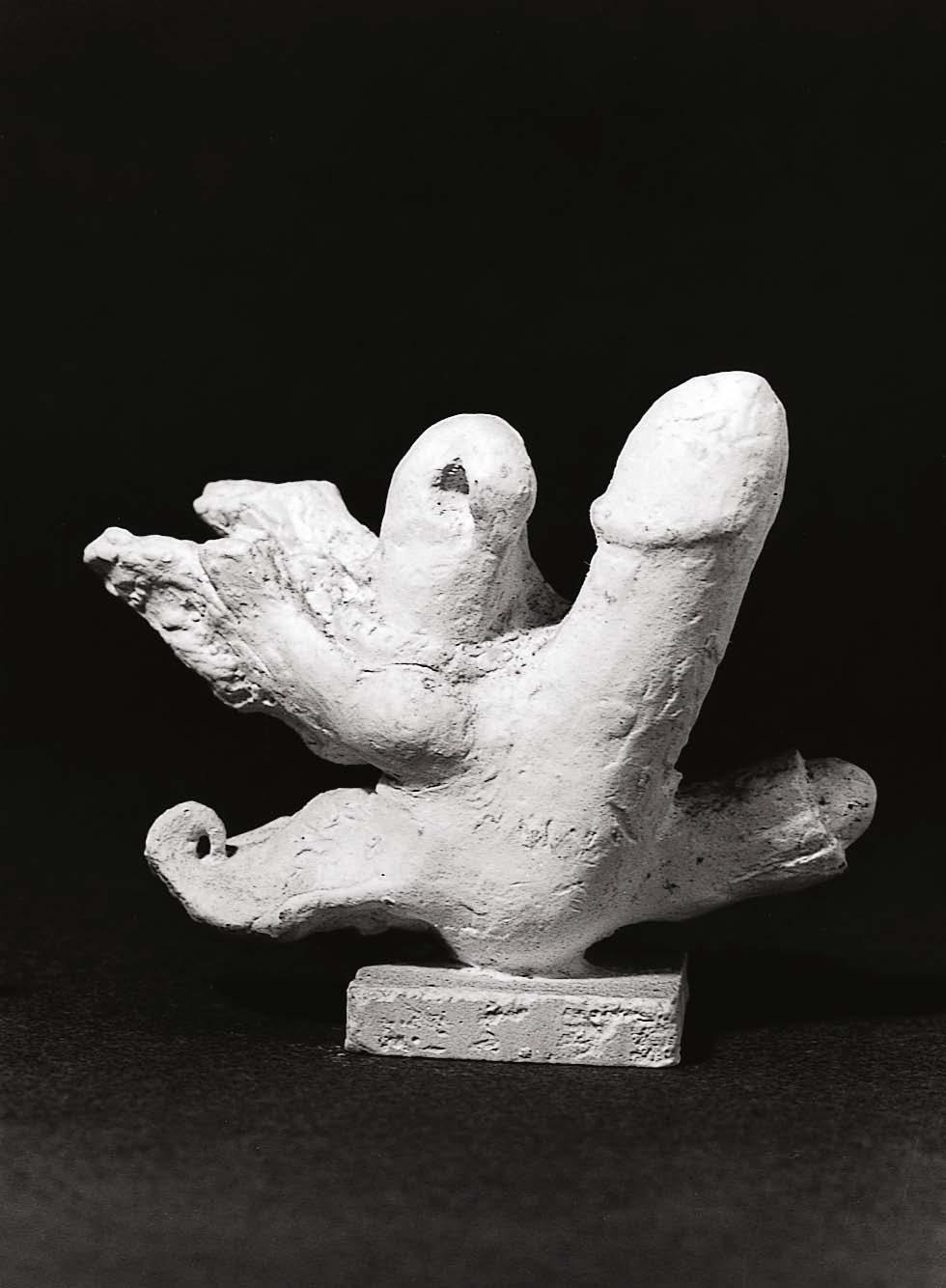
Maquette, plaster, donation to MNAM, 1976